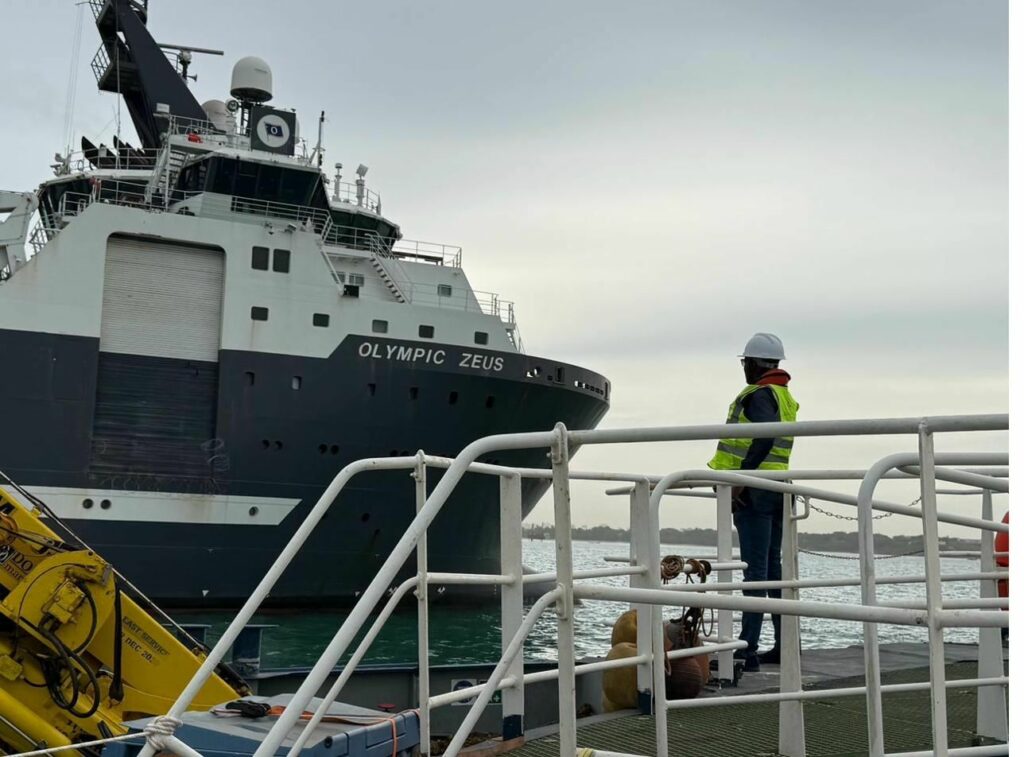
Local content refers to all obligations requiring foreign companies to use local resources: employment, subcontracting, and national suppliers. Many African countries, particularly in oil, gas, and mining, have made it a strong requirement. Complying with local content is therefore not only a matter of regulatory compliance in Africa,but also a condition for market access.
Our local teams have in-depth knowledge of the regulatory frameworks in each country where we operate. In practical terms, we ensure compliance with customs procedures, import standards, documentation requirements, and local content rules. In addition, we operate through fully compliant national entities, which legally secures your operations. This helps you avoid blockages, penalties, and delays related to non-compliance.
Yes, obtaining permits is part of our support. Depending on the nature of the project, this may include import licenses, exceptional transport authorizations, temporary permits, or sector-specific approvals. These administrative procedures are often long and complex: anticipating them and entrusting them to experienced local teams helps prevent costly delays in the project schedule.
African regulations evolve regularly, sometimes rapidly. This is why our local entities maintain continuous monitoring of customs, tax, and sector-specific frameworks in their countries. As a result, we constantly adapt our procedures and alert our clients in advance of any change likely to impact their operations. This monitoring is a key element of our project management approach..
Yes, we support international companies in structuring the logistics and regulatory framework for their establishment in Africa. Our local presence through XSEN Logistics and XPRO Namibia, combined with our partner network, provides them with a reliable and compliant local anchor point. To discuss your setup or operations project in Africa, contact our team:.