Freight & Customs

International Freight & Customs Clearance

Full management of import-export operations, documentation handling, and door-to-door coordination to Africa.
Fret International & Douane
XPRO Group manages all your international freight operations to Africa: sea, air, and land transport.

Sea freight — FCL, LCL, Ro-Ro

Organization of sea shipments by full container load, consolidated cargo, or roll-on/roll-off to all African ports.

Documentation management

Letters of credit, certificates of origin, bills of lading, and supporting documents.

Customs clearance

Import and export customs procedures across all our countries of operation.

Warehousing

Temporary storage solutions and flow management in port areas or warehouses.

Last-mile delivery

Final delivery to the most remote sites.

Door-to-door coordination

A single point of contact from pickup to delivery at your site.
Reference project
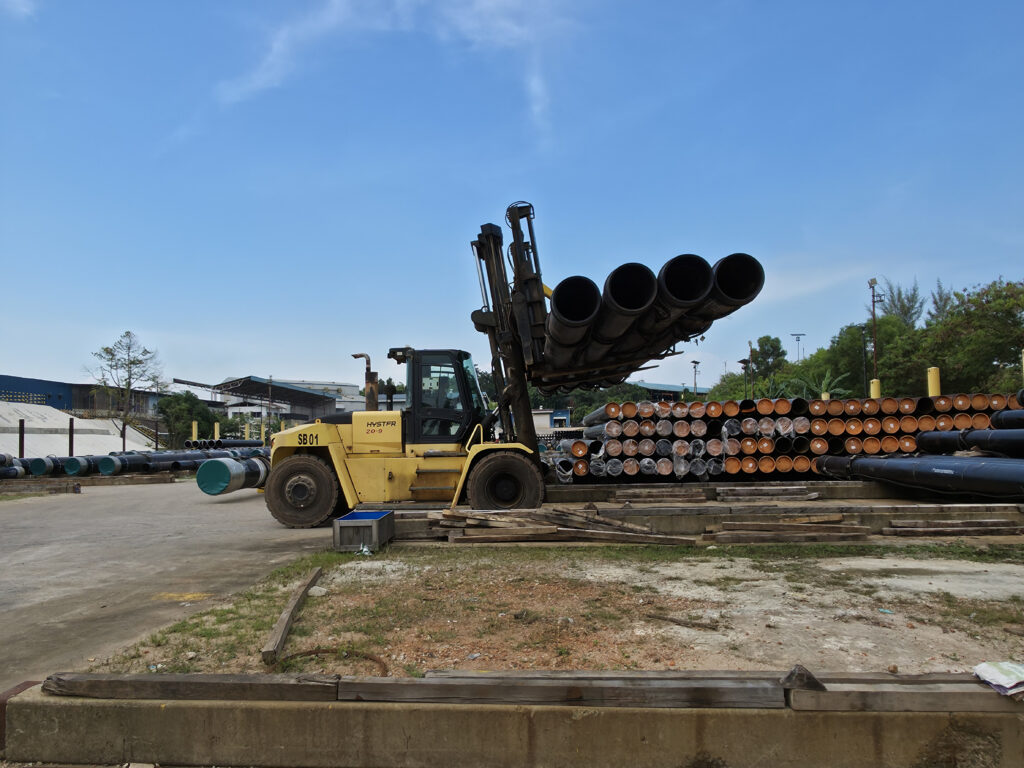
Heavy Lift · Fret

120t Genset Engines — Mali & Senegal

Logistics for seven 120-ton genset engines: handling, lifting, transport, and unloading.
See our projects

Frequently Asked Questions About International Freight to Africa

What is the difference between FCL, LCL, and Ro-Ro sea freight?

The choice of maritime transport mode depends on your volume and the nature of the cargo. FCL — Full Container Load — is suited to large volumes and offers the best security-to-cost ratio. LCL — Less than Container Load — allows smaller volumes to share container space. Ro-Ro is dedicated to vehicles and rolling equipment, loaded directly on board. Our teams guide you toward the most suitable solution for each shipment.

What documents are required to ship to Africa?

A complete shipping file generally includes the commercial invoice, packing list, bill of lading — or air waybill — and certificate of origin. Depending on the country and the goods, specific documents may also be required: import licenses, certificates of conformity, sanitary or phytosanitary certificates. In addition, our customs declarants check each document upstream to prevent any customs blockage.

How long does customs clearance take upon arrival in Africa?

Lead times vary significantly depending on the country, port, and nature of the goods. Under normal conditions, allow 3 to 10 working days once the cargo has arrived. However, an incomplete or incorrectly classified documentation file can greatly extend this timeframe. This is why our local teams in Africa prepare and anticipate formalities before the vessel even arrives, in order to speed up cargo release.

Who manages customs duties and import VAT?

Responsibility depends on the Incoterm chosen for your international freight operation to Africa.Under FOB or CIF, the importer pays duties and taxes at destination; under DDP, the shipper does. Whatever the setup, our customs declarants calculate the applicable duties based on the tariff code — HS code — and provide you with a precise estimate before shipment. This gives you visibility on your landed cost before confirming the order.

Do you offer a full door-to-door service?

Yes, door-to-door is our standard freight operation to Africa.for international freight to Africa. We manage the entire journey: pickup from your supplier, pre-carriage, international transport, customs clearance, inland transport, and on-site delivery. For complex industrial projects, this service is combined with our project management offer. and our heavy lift and special cargo expertise.Contact our team contact our team:.

Planning a logistics operation in Africa? ?

Contact our team to discuss your project.